Year
2024
Publisher
University of Michigan Press
Language
English
Pages
14
ISBN
978-0-47290-341-2
Last Update
01-Aug-2026
Keywords
Political Science ; Asian Studies
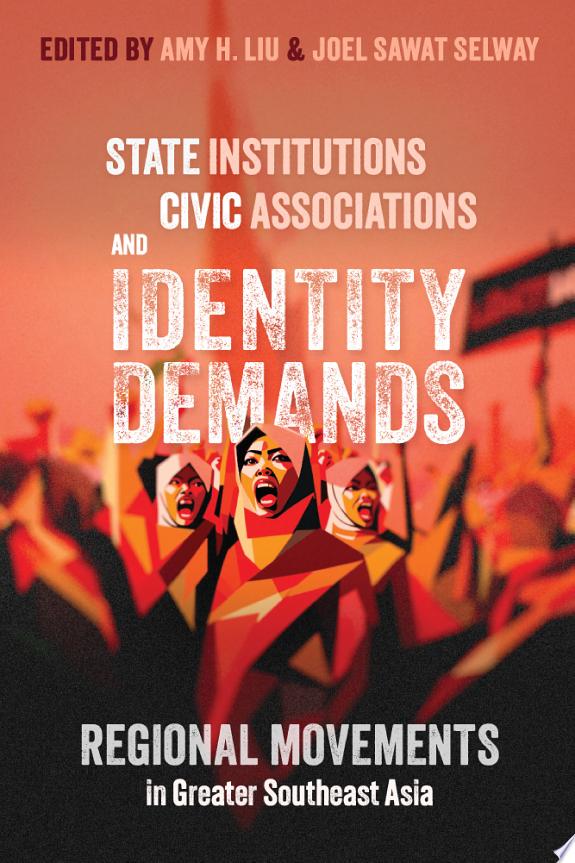
Editors’ Introduction: This chapter focuses on how Singapore’s underrepresentation in the Malaysian state institutions resulted in an extreme outcome. The Chinese-dominant People’s Action Party (PAP) employed two strategies to protect regional interests—which were inclusive of Chinese ethnic interests. Frustrated with limited political representation at the national level, the PAP championed itself as the Chinese partner to be in the ruling coalition. When these overtures were rebuked, the PAP forged an alternative multiethnic coalition. The Alliance Party saw the PAP’s ability to regroup in in its demands as a threat. And while the PAP was successful in extracting greater autonomy...
Related
See More